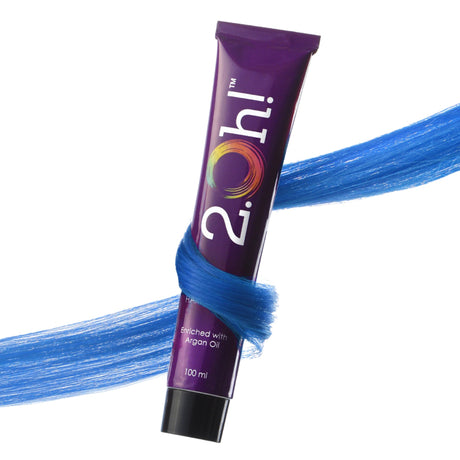
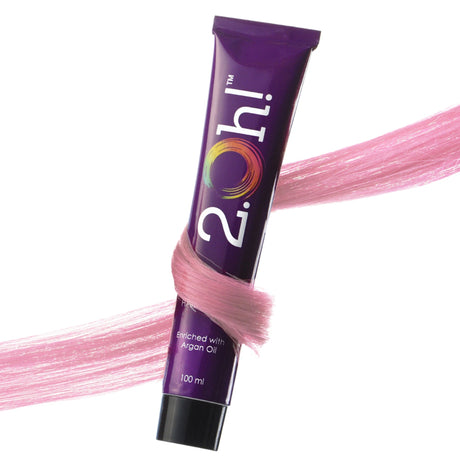
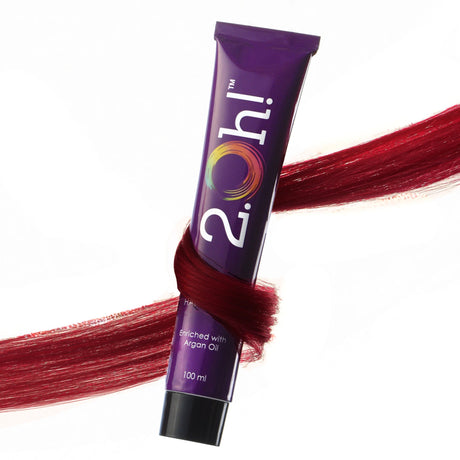
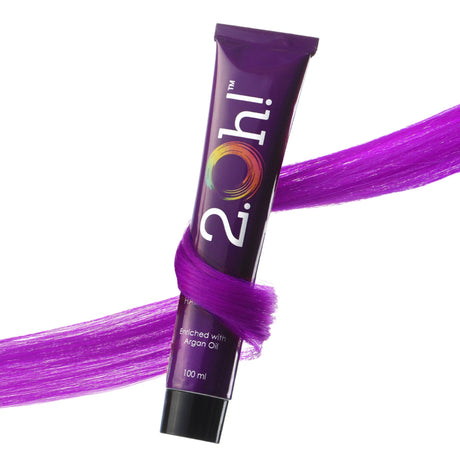
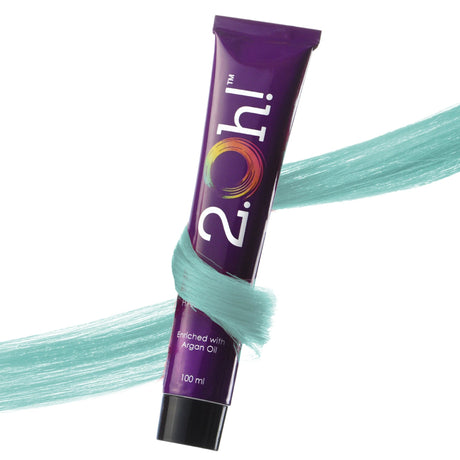
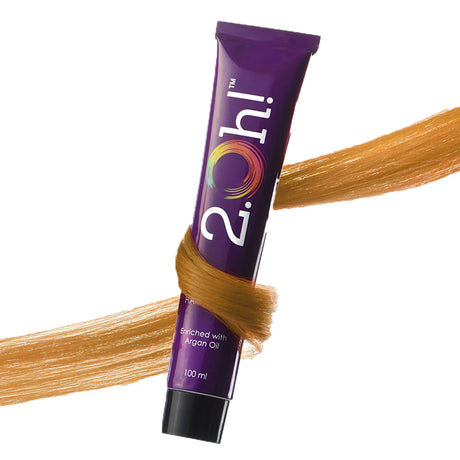
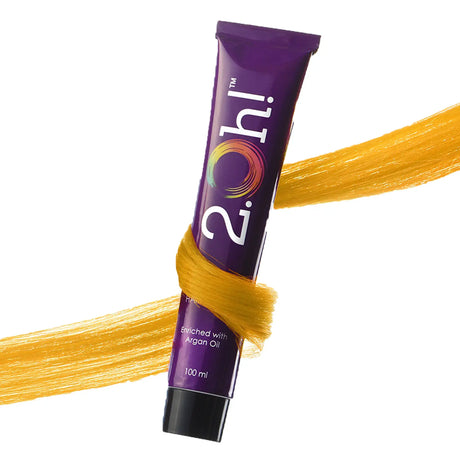
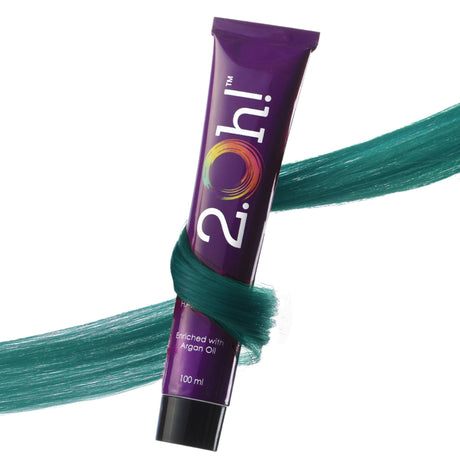
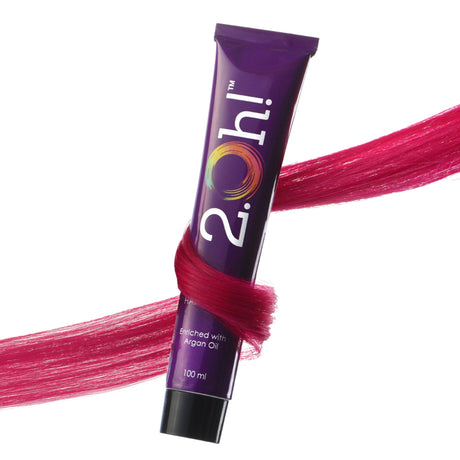
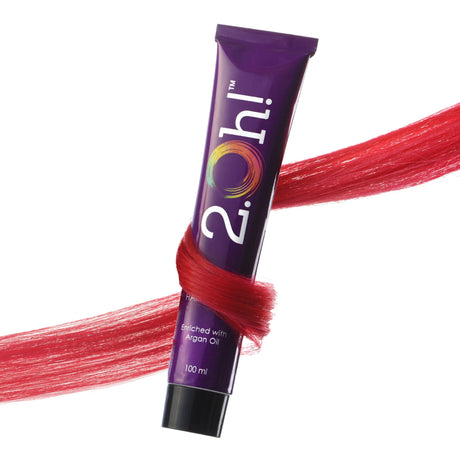
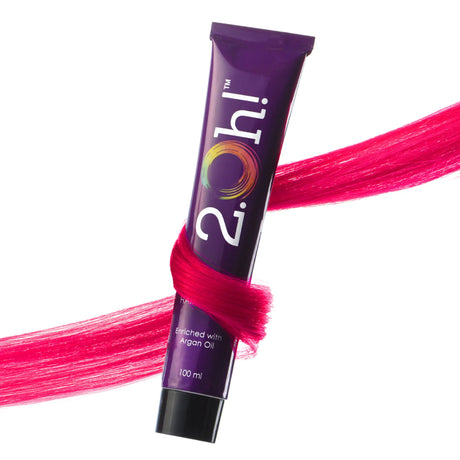
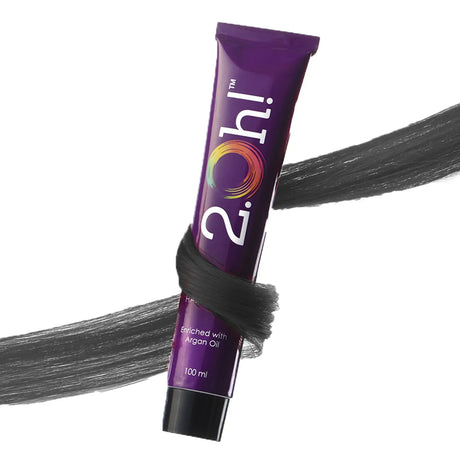
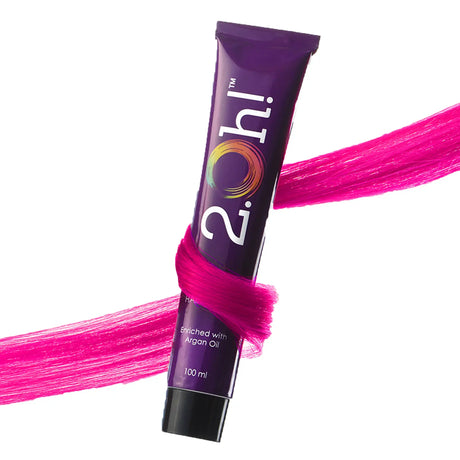
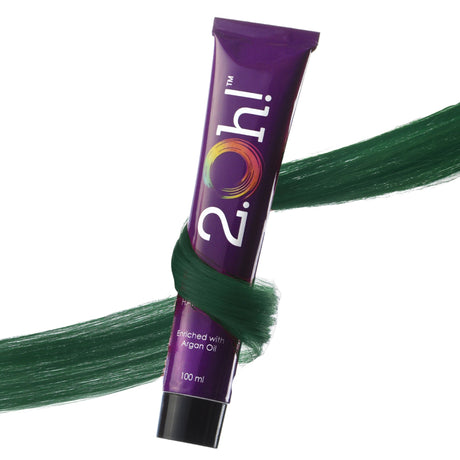
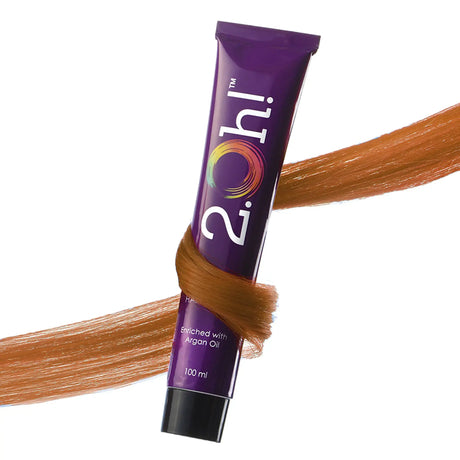
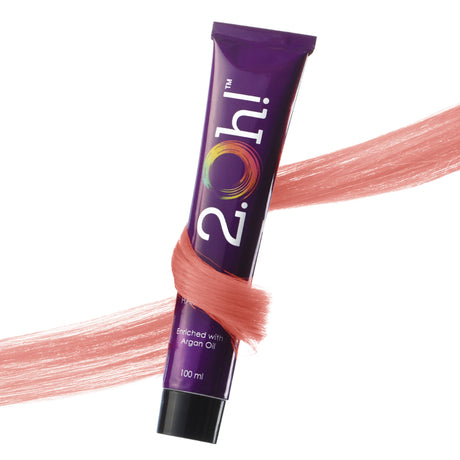
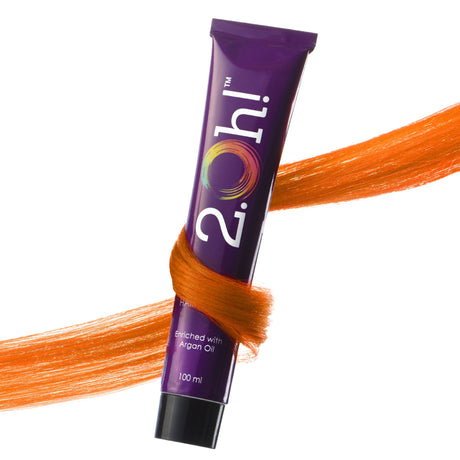
Hair color does not work like paint on a blank white canvas—and that is what makes it so much fun. The color already in your hair becomes part of the final result. Most swatches show how a shade looks on a specific, evenly pre-lightened base. When you apply a new shade over an existing color, the two interact to create something uniquely yours. Blue over faded yellow may create green. Pink over blue can turn purple. Red over faded pink may become deeper and richer. Semi-permanent color deposits pigment without lightening the hair underneath. This means your starting color will always influence the final tone.
Previous color can also fade unevenly or leave behind stubborn pigment. Your roots, mid-lengths and ends may therefore have different starting colors. Hair porosity makes a difference too. Damaged, highly porous sections may absorb more pigment and look darker or brighter. Less porous areas may take color differently. This is why the same shade can look slightly different across your hair. Applying more color on top may deepen the result, but it will not always make uneven areas identical. Repeated layering can also create pigment build-up, making the color look deeper or different from the shade you expected. For a clean, true-to-tone result, you need an even base at the correct lightness level. A quick strand test will help you see how the new shade will interact with the color already in your hair.
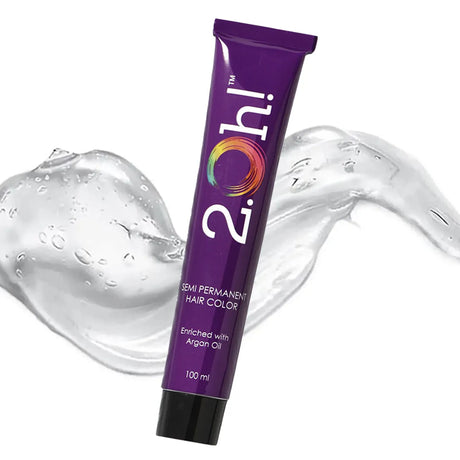
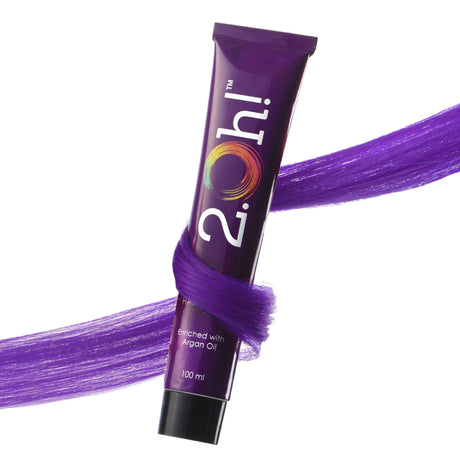
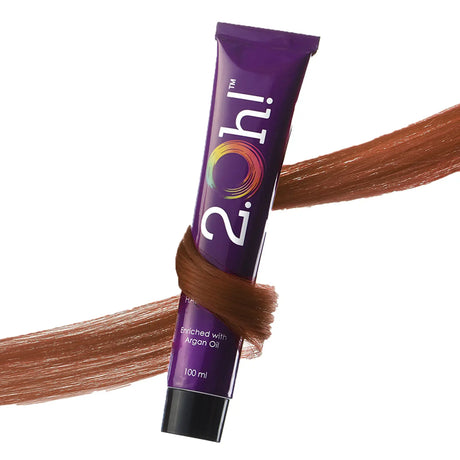
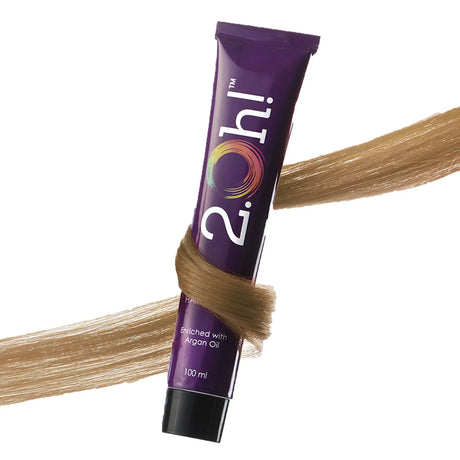
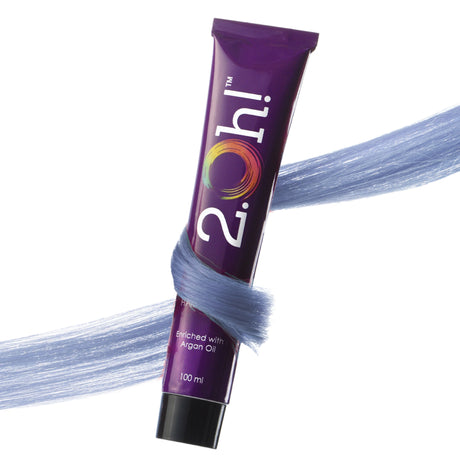
But this is also a great chance to experiment. You can refresh the same shade, move into a neighbouring color family or layer something new to create a color that is completely your own. And you do not necessarily need to bleach every time you want a change. If your existing base is light enough and works with your chosen shade, you can go ahead and have fun with it. Our 2.Oh! Semi-Permanent Hair Colors are powered by Micro Pure Pigments—ultra-fine pigments of a consistent size that spread and adhere evenly across the hair. This helps give you a deeper, more vibrant result and a more even fade. Very light pastels will still need an even, near-white base to appear clean and true to tone. But for other shades, do not feel restricted by the swatch. Use it as a guide, understand your base and start experimenting. Sometimes the most exciting hair color is not copied from a swatch—it is created by you.